
Massive Cocaine Seizure: 170 kg Discovered in Bananas at Port of Burgas
170 kilograms of cocaine were found concealed within a shipment of bananas at the Burgas city's port
Crime | March 26, 2024, Tuesday // 12:51
 Send to Kindle
Scientists found that a drug named Kisqali (ribociclib) is effective in fighting breast cancer. This is the result of a study involving patients affected by HER2-negative breast cancer that is sensitive to hormone therapy. This is reported by BTA.
The participants were divided into two groups - the first one was given standard hormonal therapy and the second one was treated with hormone therapy and ribociclib. It turned out that half a year after the testings began, 46% of participants in the first group and 70 percent of those in the second group remained alive.
In the study participated women who haven’t enter menopause and who have advanced breast cancer.
"This is an important group to study since advanced breast cancer is the leading cause of cancer death in women 20 to 59, and the vast majority of breast cancer is hormone-receptor positive." said Sara Hurvitz of the University of California at Los Angeles.
The study was funded by pharmaceutical manufacturer Novartis which manufactures ribociclib under the name Kisqali.
The results were presented at the annual meeting of the American Society of Clinical Oncology in Chicago and are published in the New England Journal of Medicine.
We need your support so Novinite.com can keep delivering news and information about Bulgaria! Thank you!

170 kilograms of cocaine were found concealed within a shipment of bananas at the Burgas city's port

A concerning pattern is emerging in Bulgaria, as a staggering 80% of students have reportedly experimented with alcohol and marijuana, with an additional 30% delving into synthetic drugs

In a concerted effort to combat drug distribution networks, Albanian police launched a large-scale operation named "Tempuli," resulting in the arrest of nearly 100 individuals in the capital of Tirana alone and over 150 across the entire country
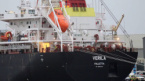
Irish law enforcement has seized the Bulgarian vessel "Verila" owned by the "Navigation Maritime Bulgare" Shipping Company at the Foynes port in County Limerick, uncovering a staggering cache of narcotics

According to the summary data of the interdepartmental unit, which has been functioning since August 1, there are almost 3,700 detained illegal migrants in Bulgaria

A Syrian citizen, with the status of a foreigner temporarily residing in Bulgaria, was detained near Shumen

Data from a recent global poll conducted by the world association "Gallup International" represent the diverse perceptions surrounding the threat posed by the coronavirus pandemic

The National Center for Infectious and Parasitic Diseases in Bulgaria has confirmed the country's first case of measles, sparking concerns about potential outbreaks.

While assurances of salary boosts for nurses employed in kindergartens and nurseries have been made recently, the fundamental challenges endure, plunging the sector into a precarious situation

A new report of a gas leak in Karnobat has sparked concern among residents and authorities, as emergency services rush to address the situation

The European Food Safety Agency (EFSA) issued a stark warning regarding the looming threat of a large-scale bird flu pandemic, underscoring the potential consequences if the virus were to transition to humans and establish human-to-human transmission
Bulgaria boasts a higher number of graduated and practicing doctors per capita compared to the European Union's average, according to an analysis commissioned by the Bulgarian Medical Union

UN Happiness Report: Bulgaria's Astonishing Leap in Rankings

Bulgaria: 3 Regions With Lowest Life Expectancy - EU Report 2022


