Stability Reigns: Sofia Real Estate Market Thrives Despite Uncertain Times
The real estate sector in Sofia has shown resilience in the face of ongoing pandemic challenges, maintaining stability across all segments in the first quarter of the year
 Send to Kindle
 BGNES
BGNES
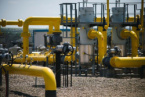
The chairman of the Energy and Water Regulatory Commission (KEVR) Ivan Ivanov reckons that the demand of Bulgargaz for a 32% hike in the price of natural gas as of April 1 is unjustifiably high.
“What they have made as a preliminary estimate really concerns me and worries me deeply. My appeal to Bulgargaz is for them to look for internal reserves as well via slashing their expenses and structuring of such type that this percentage is lower in their official proposal. Let them not forget that a lot of other extremely important communal services like heating and the price of heating, of highly efficient electric energy and, at the end, the electricity for household needs depend on the price of natural gas. But, at the same time, natural gas is also an energy supplier which is used in the production of various goods.”
We need your support so Novinite.com can keep delivering news and information about Bulgaria! Thank you!

The real estate sector in Sofia has shown resilience in the face of ongoing pandemic challenges, maintaining stability across all segments in the first quarter of the year

The price of retail lamb in Bulgaria has surged by 8.4% on an annual basis, according to statistics released by the Ministry of Agriculture and Food, with data sourced from SAPI indicating an average price of BGN 25.27 per kilogram as of April 10

Sofia, the vibrant capital of Bulgaria, is experiencing a surge in its economic landscape, surpassing the average European standard of living, according to senior researcher Peter Ganev from the Institute for Market Economics

In a bid to enhance its energy security and diversify its gas supply sources, Bulgargaz is gearing up for the first deliveries of liquefied gas through the Alexandroupolis terminal, set to commence in May
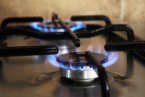
The concluded winter presented unusually elevated temperatures and a 'milder' heating season for thousands of Bulgarians

Bulgarian State Railways (BDZ) revealed that train delays, caused by them in 2023, amounted to less than 2%, citing unregulated railway crossings as a primary cause

The Nuclear Regulatory Agency (NRA) has greenlit the phased transition to a new type of nuclear fuel for Unit 5 of Kozloduy Nuclear Power Plant (NPP), manufactured by Westinghouse
In a bid to enhance its energy security and diversify its gas supply sources, Bulgargaz is gearing up for the first deliveries of liquefied gas through the Alexandroupolis terminal, set to commence in May

The Greek national electricity company, PPC, has announced plans to acquire 500 megawatts of photovoltaic capacity in Bulgaria
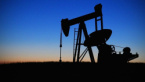
Oil prices have surged due to renewed concerns about the Middle East conflict. Brent crude futures increased by 0.32% to 90.80 USD per barrel, while American WTI crude rose by 0.3% to 86.50 USD per barrel

Bulgaria's state-owned energy company, "Bulgargaz," has suffered a significant setback, losing 27% of its market share as a result of a contract with the Turkish company "Botas"

A remarkable shift in Bulgaria's energy landscape has been unveiled in the latest report from the Commission for Energy and Water Regulation, submitted to the Bulgarian parliament

UN Happiness Report: Bulgaria's Astonishing Leap in Rankings

Bulgaria: 3 Regions With Lowest Life Expectancy - EU Report 2022